Elected officials to explore relationship between climate action and local governance
Communities across Alberta are experiencing the impacts of climate change in tangible ways. Increased frequency and intensity of climate hazards, energy costs, and pollution are placing real constraints on municipal infrastructure, services, and decision-making.
At the same time, local governments have significant responsibility and opportunities to influence climate outcomes through their everyday decisions. Municipal decisions shape both exposure to climate risk and the impact of climate solutions. For elected officials, the question is no longer whether climate change matters, but how do they account for climate considerations across the full range of governance responsibilities.
The Alberta Climate Leaders Elected Officials Peer Network is open to all locally elected officials in the province who want to explore climate leadership and community resilience alongside their peers. Interested elected officials can apply online: Elected Officials Peer Network – Alberta Climate Leaders.
Climate risk as a local governance responsibility
Local governments are responsible for decisions that shape long‑term community resilience, including:
- Infrastructure planning and asset management
- Emergency management and public safety
- Financial planning and risk exposure
- Land use planning and community development.
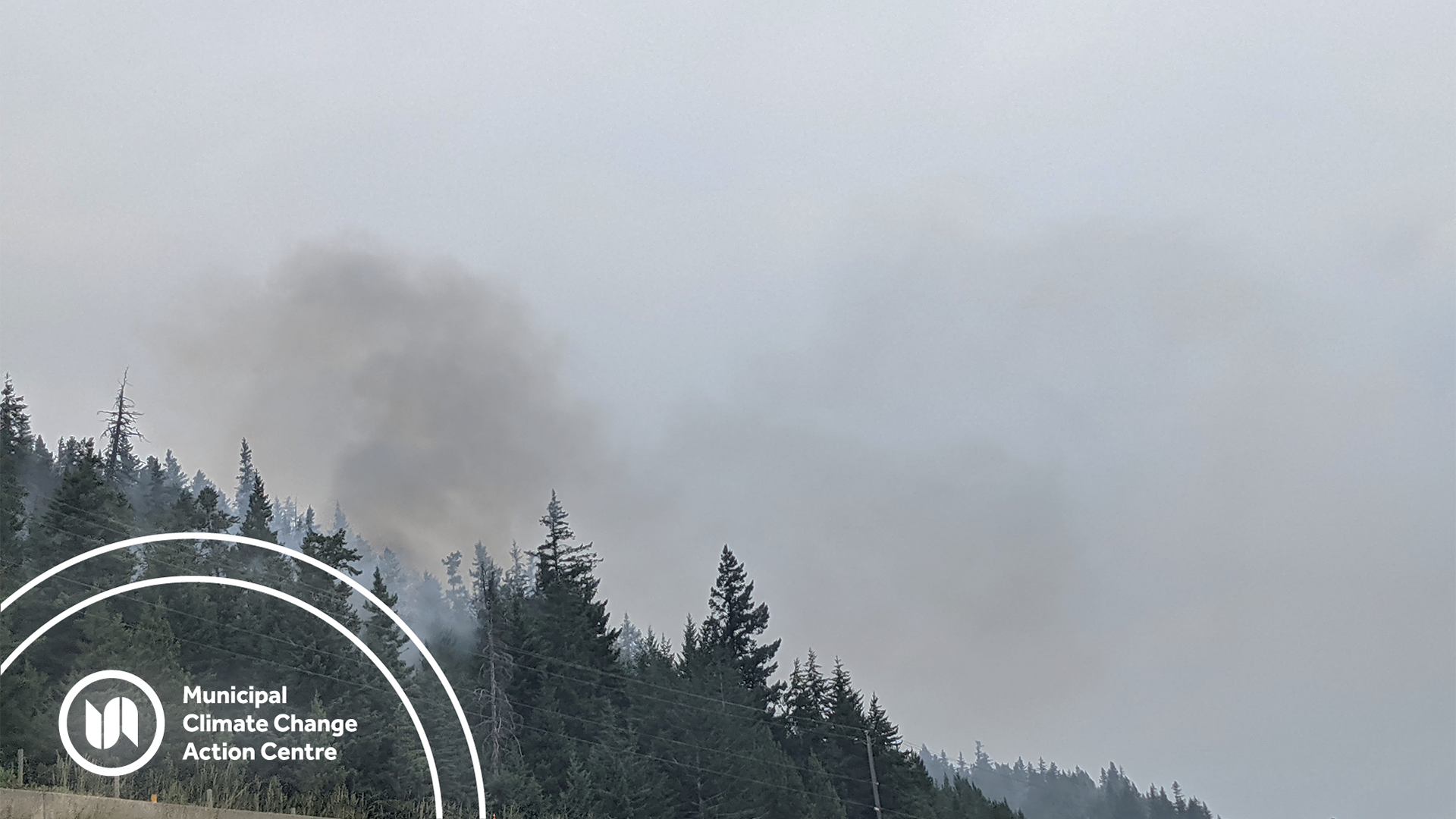
Municipal decision-makers have a responsibility to consider these effects, whether that is ensuring the long-term viability of climate-sensitive economic sectors like tourism and agriculture, or protecting vulnerable residents and outdoor workers during periods of wildfire smoke.
Embedding a climate lens into governance helps elected officials anticipate risk, reduce future costs, and protect community well‑being, without treating climate change as a standalone or purely technical issue.
Also known as “mainstreaming,” elected officials can start to embed a climate lens into their decision-making by understanding the existing actions and initiatives that their municipalities already have in place to support climate resilience.
Armed with that knowledge, elected leaders can then make decisions such as adjustments to land use bylaws or organizational changes to budget allocations to ensure climate considerations are accounted for.
Upcoming network session: advancing a climate lens in decision‑making
The Elected Officials Peer Network will meet with Dr. Anabela Bonada of the Intact Centre on Climate Adaptation on May 7, 2026. The Centre’s work focuses on translating climate science into practical, decision‑ready action for communities.
Dr. Bonada leads applied research at the Centre, advancing climate adaptation strategies through risk assessment, policy integration, and implementation tools. Her work supports local governments in managing climate risk across infrastructure planning, public safety, land use, and financial decision‑making.
A recent example of this applied research is the June 2025 report From Risk to Readiness: Enhancing Alberta’s Wildfire Preparedness Through the FireSmart™ Scorecard. The report responds to the growing severity and frequency of wildfires in Alberta and across Canada, driven largely by climate change, and highlights the need for proactive, community‑wide approaches to wildfire resilience.
The Alberta FireSmart™ Community Scorecard helps communities assess wildfire preparedness and identify areas for improvement. Piloted in 10 Alberta communities, the Scorecard promotes a holistic approach to wildfire resilience and empowers residents, businesses, and all levels of government to take coordinated action.
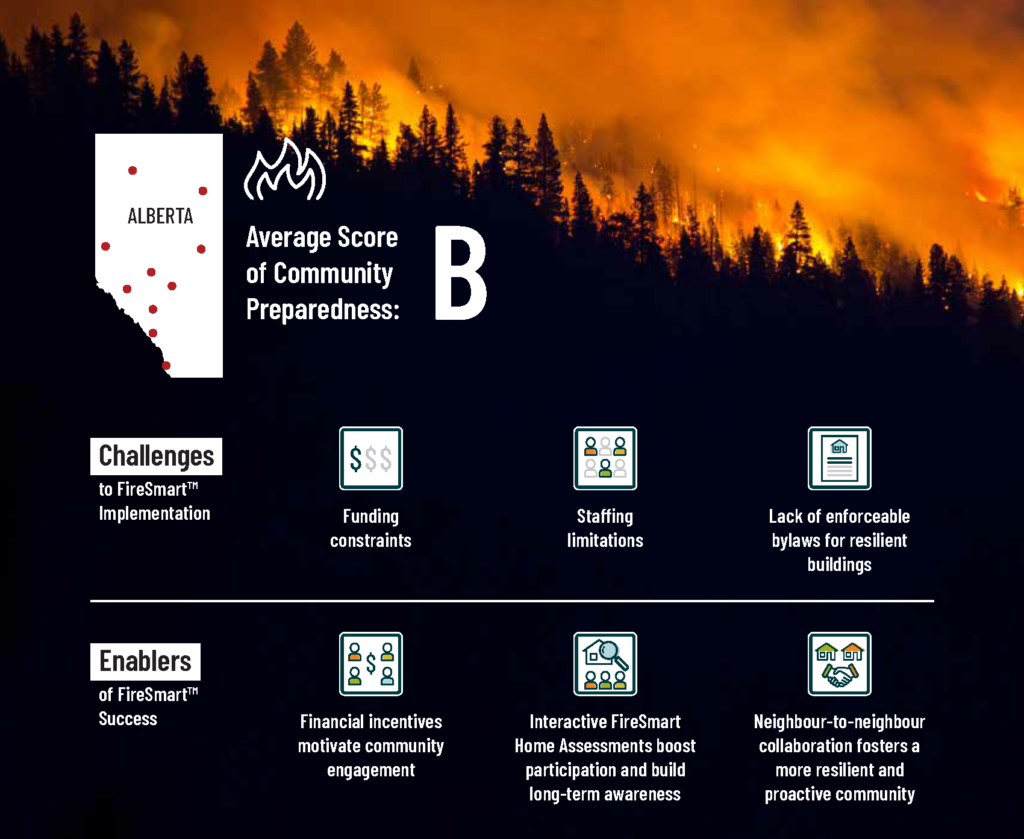
For elected officials, this report highlights how tools like the Alberta FireSmart™ Community Scorecard can support everyday governance decisions. Rather than treating wildfire and climate risk as separate technical issues, the report emphasizes embedding a climate lens into routine decision‑making related to infrastructure investment, emergency management, financial risk, and long‑term community well‑being.
Participants in the Elected Officials Peer Network can expect discussion on embedding and advancing a climate lens within council decision‑making, including:
- Alberta‑specific climate risk trends and data
- Discussion of the role that local government plays in climate action and risk reduction
- How to frame climate considerations as part of everyday governance responsibilities, such as infrastructure, public safety, financial risk, and long‑term community well‑being.
Support for Small Communities
Municipalities, Indigenous communities, and eligible housing providers that serve populations under 30,000 can receive support to reduce wildfire, smoke, extreme heat, and drought risk via the Alberta Climate Resilience Cohort. This support is offered in partnership with MCCAC as part of the Climate Ready Infrastructure Service (CRIS), delivered by the Canadian Urban Institute and funded by the Government of Canada. Review our webpage to learn more and apply before August 31, 2026: Alberta Climate Resilience Cohort | MCCAC
Join the Alberta Climate Leaders Elected Officials Peer Network
The Alberta Climate Leaders Elected Officials Peer Network is open to elected officials throughout the province. Whether your community is just beginning this work or already advancing climate initiatives, the network offers a supportive space in which to learn, connect, and share practical insights with peers.
Learn more and register for the upcoming meeting on advancing a climate lens within council decision‑making:
Alberta Climate Leaders Elected Officials Peer Network Registration Form
The Elected Officials Peer Network is offered through the Alberta Climate Leaders Program, a collaboration of the Municipal Climate Change Action Centre and the Community Energy Association.
You must be logged in to post a comment.